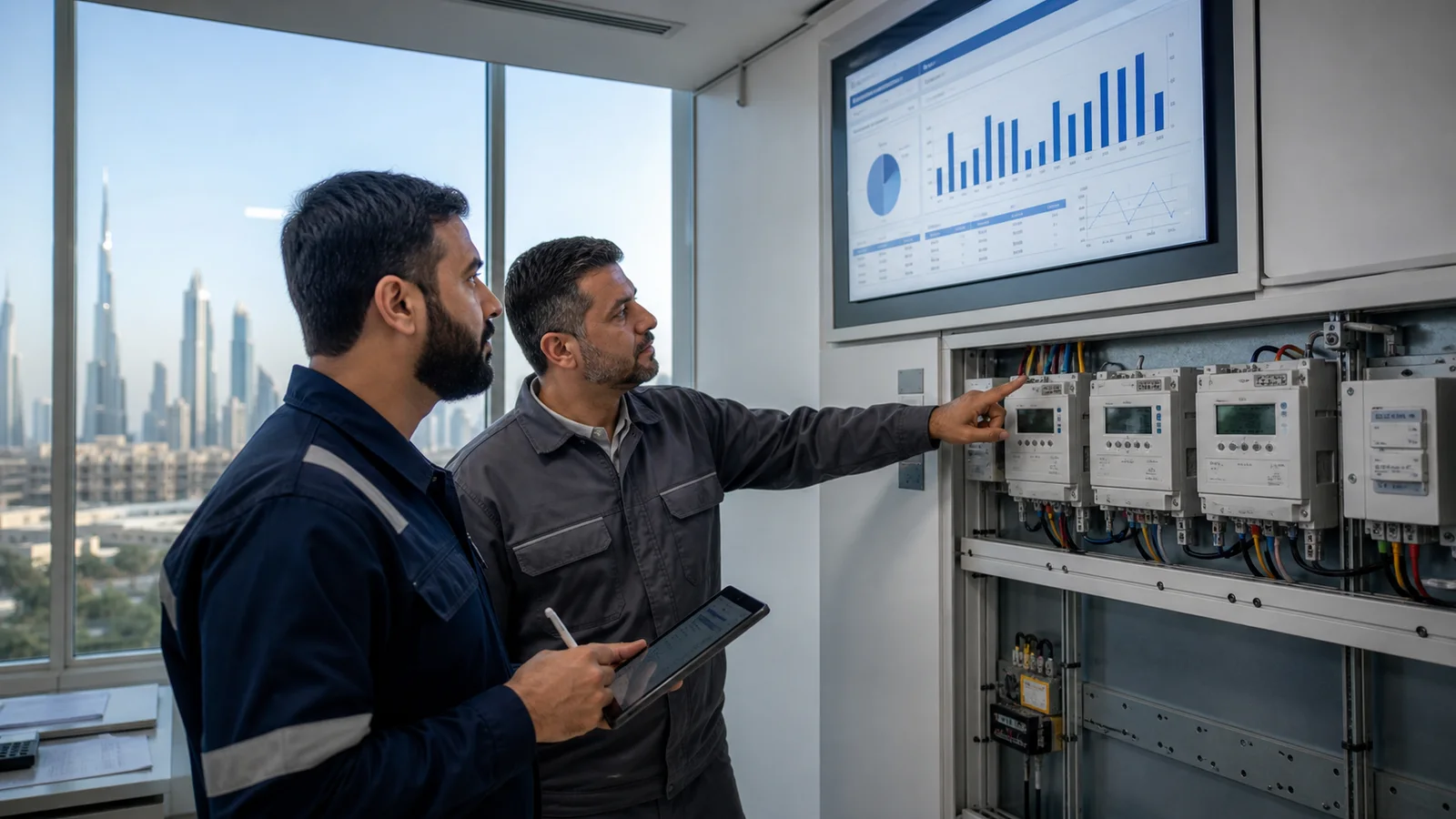
Reliable energy decisions start with measurements that an operations team can reconcile to the physical system. For chilled-water and heating networks, that means understanding flow, temperature difference, meter placement and the period being compared.
Measure without interrupting the pipe
A clamp-on ultrasonic meter can measure flow from outside a suitable pipe. Where a BTU application also uses temperature sensors, the system can calculate thermal energy from the measured flow and temperature difference. Installation conditions and the meter's documented operating range still need to be checked for each site.
Choose the right measurement range
ConnectME's TKN204 enhanced clamp-on BTU and flow meter lists pipe sizes DN50-DN2000, flow velocity 0.01-15 m/s and measurement accuracy of ±0.5% in its current datasheet. These are separate specifications; neither number predicts an individual building's energy savings.
Make the data useful
Before connecting a meter to a billing or energy-management workflow, record its pipe location, calibration and communication configuration. The TKN204 datasheet lists Modbus RTU and M-Bus interfaces. Those readings become more useful when timestamps, asset identity and exception handling are consistent across a portfolio.
For an owner or facility manager, the next step is a measured baseline and a clear verification method, not a generic promise of reduced consumption.